
 Village treks · Vietnam · Laos · Cambodia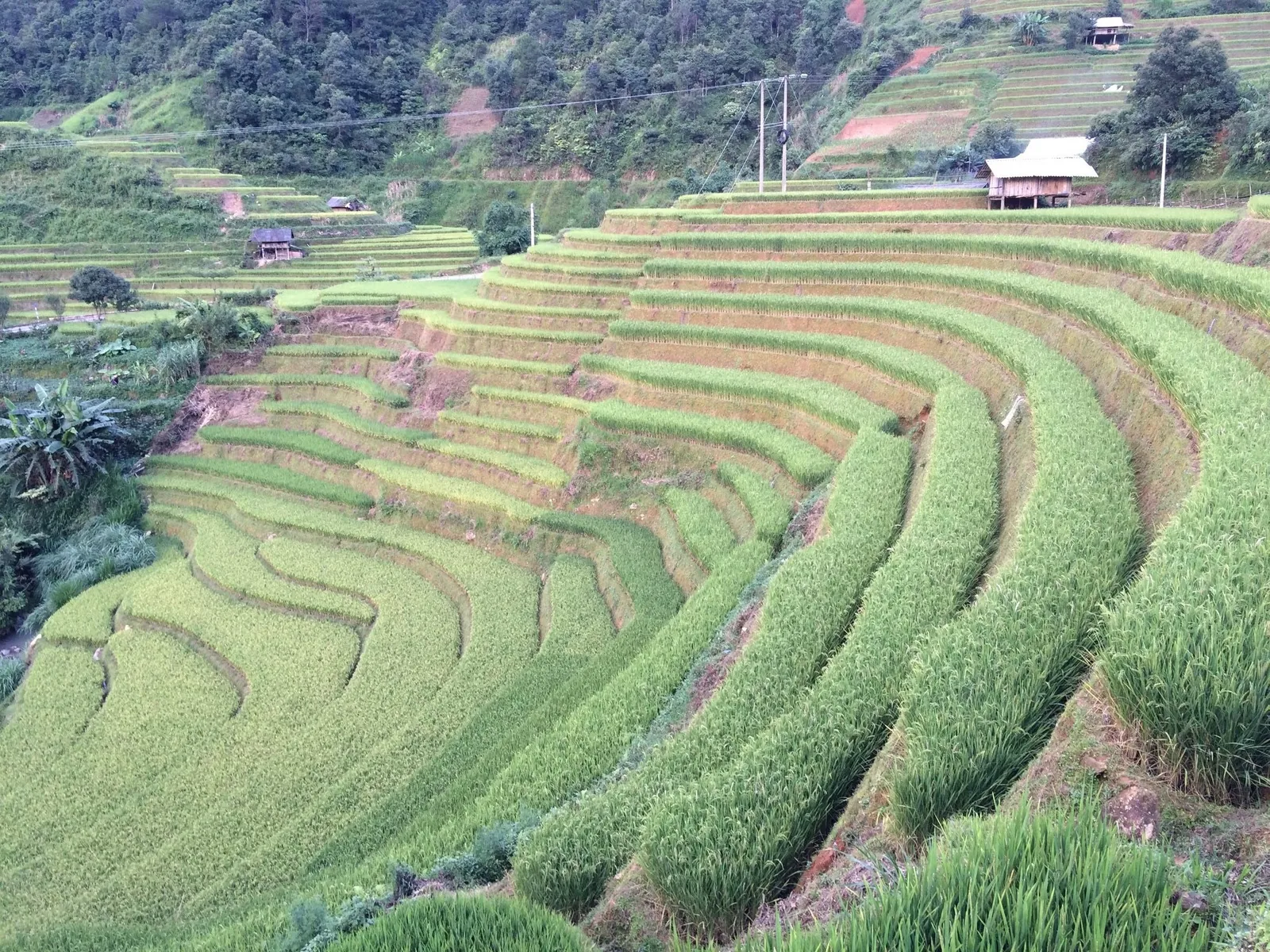
Trekking only · Vietnam · Laos · Cambodia
Walk for days, sleep in villages
Multi-day treks in the hills of northern Vietnam, northern Laos and Cambodia's Mondulkiri, with nights in family homes. Every route is graded by kilometres and metres of climb, not by adjectives.
Three ways into this site
Indochina Trek does one thing: walking trips of three to five days through farmed hills and forest, with nights in village houses. No cycling, no kayaking, no jeeps. If that is what you are looking for, start from whichever question you have right now.
I want to book a trek
Five routes, each with a day-by-day plan, distances, climb and what is included. See the treks.
I am choosing a region
Sa Pa, Ha Giang's Hoang Su Phi, Pu Luong and Mai Chau, Luang Namtha. What each place is like beyond the brochure. See the regions.
I want to know if I can do it
Distances, climbs, the months to avoid and what to pack for a wet path. Read the route table.
The five treks, side by side
| Trek | Country | Days | Grade | Village nights |
|---|---|---|---|---|
| Sapa Valleys Homestay Trek | Vietnam | 4 | 2 · moderate | 3 |
| Hoang Su Phi Terraces Trek | Vietnam | 5 | 3 · demanding | 4 |
| Pu Luong & Mai Chau Trek | Vietnam | 4 | 2 · moderate | 3 |
| Nam Ha Forest Trek | Laos | 3 | 3 · demanding | 2 |
| Mondulkiri Forest Trek | Cambodia | 3 | 1 · steady, but hot | 0 (2 camp nights) |
Grades run from 1 to 3 and are defined by numbers you can check against your own walking: kilometres per day and metres of climb on the hardest day. The full scale, with every day of every route, is on the route table. Prices are quoted per trip, because a private trek for two and one for six cost very different amounts per person; the pricing page shows what goes into a quote.
How a trek day actually runs
Most days start between 07:30 and 08:30, after breakfast in the house where you slept. You walk with a daypack; the rest of your bag either travels by vehicle to the next night's stop or stays behind in a hotel, depending on the route. Lunch is eaten on the trail or in a house along the way. You arrive at the next village in mid-afternoon, which leaves time to wash before the light goes.
Walking time on our routes is four to seven hours a day, including stops, by our planning estimates. On the hardest days that means 13 to 15 kilometres with 700 to 800 metres of climbing on paths that turn to clay after rain. On the easiest days it means a valley floor and rice-field dykes. The route pages say which day is which.
Two guides walk with most groups. One is our trek guide, who speaks English and handles the logistics; the other is a local guide from the area, which is how the Nam Ha and Mondulkiri trek models work and the only sensible way to walk through someone else's farmland anyway. Details are on the how-to-book page.
What a homestay night is, in plain terms
You sleep in a family house, usually on a mattress on the floor of a shared upstairs room, under a mosquito net, with thick blankets in the cold months. Some houses have curtained-off sections for couples; few have private rooms with doors. The toilet is usually a sit-down or squat toilet in a separate block, and the shower may be hot from a gas or solar heater or may be a bucket of warm water.
Dinner is cooked by the family: rice, a soup, greens, a meat or tofu dish, often more food than you can finish. Rice wine appears in Vietnam and Laos; you can refuse it without offence. In Mondulkiri our route uses a forest camp built by a Bunong community instead of a family house, and we say so on that page rather than calling it a homestay.
Village houses wake with the animals. Roosters start well before dawn, dogs answer each other at night and walls are wooden. Earplugs are on our packing list for a reason.
Why the routes look the way they do
- Private treks only. Your party walks with its own guides. We do not mix strangers into a group to fill a vehicle.
- Numbers before adjectives. Every day lists kilometres, climb and hours on foot as a planning estimate. We mark them as estimates because they are measured on maps, not by GPS on the day.
- Local guides where it matters. In Nam Ha the trek model was built with village guides from the start; in Mondulkiri the camp is run with Bunong guides; in Vietnam we add a local guide on village paths.
- Paperwork handled in advance. Vietnam requires notice for foreigners entering land border areas and registration of overnight stays. We file it; you send passport details early.
Who should not book with us
- Anyone looking for a trekking peak or summit day. Our routes stay on village, farm and forest paths and never aim for a summit.
- Travellers who need a private room with an attached bathroom every night.
- Groups larger than eight walking as one party. We would split you, and that changes the experience.
- Anyone hoping to combine trekking with cycling, kayaking or a jeep loop on the same booking. We do not run those.
Plan My Trip
Not sure which route fits your legs?
Tell us what you walk now and when you can travel. We reply by email with one or two routes that match.
Common questions
Questions travellers ask most
Do I need trekking experience?
You need to be able to walk for five or six hours on two or three consecutive days, including climbs. If you walk 10 to 15 kilometres on hills at home without trouble, grade 2 routes are within reach. Grade 3 routes add one or two days with 700 to 800 metres of climbing.
Can we carry only a daypack?
Yes on every route. Your main bag travels by vehicle or stays at the start hotel, depending on the route. Porters can be arranged on request.
Are the treks shared with other travellers?
No. Every trek is private to your party, from one traveller up to eight.
Which month should we choose?
For northern Vietnam, September to November and March to April are the dry, clear windows. For Laos and Mondulkiri, November to February. July and August fall in the rainy season in all three regions. The trekking seasons page has the month-by-month chart.
Related
Read next
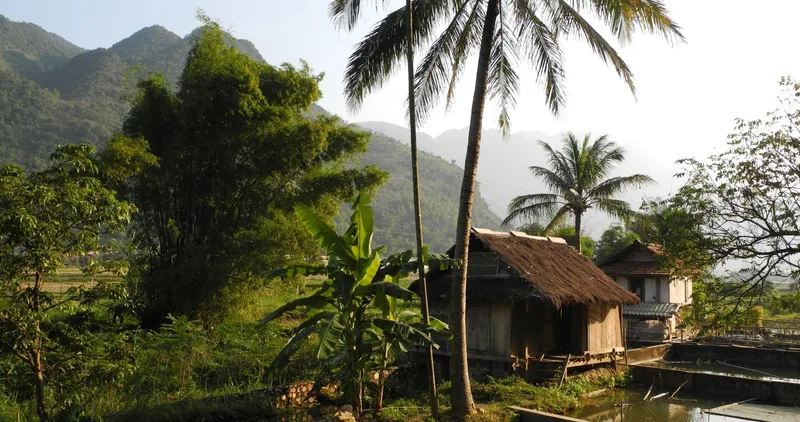
Treks
Treks
All five treks in one table, with grades, days and village nights.
View journey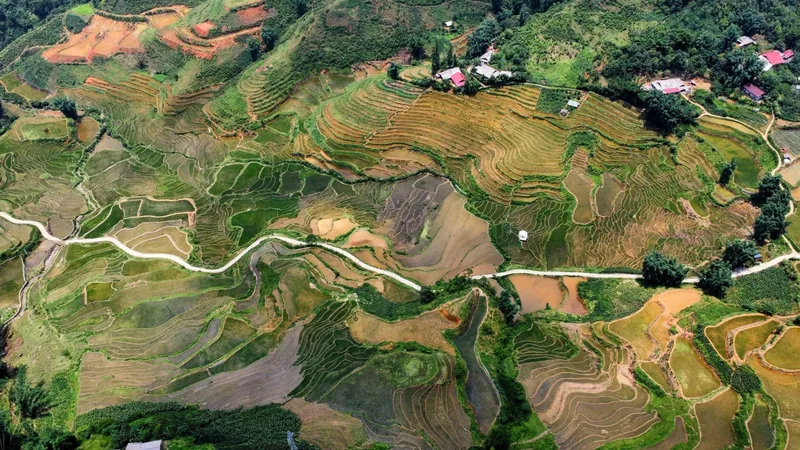
Plan · Route table
Route table
Every trek's days, distances, climbs and seasons in one table.
View journey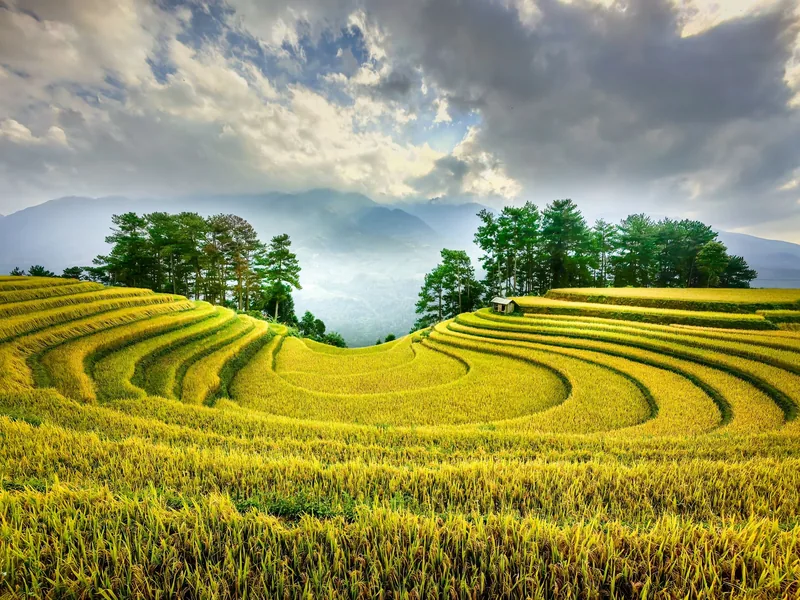
Plan · Seasons
Trekking seasons
Month-by-month trekking conditions in every region we walk.
View journey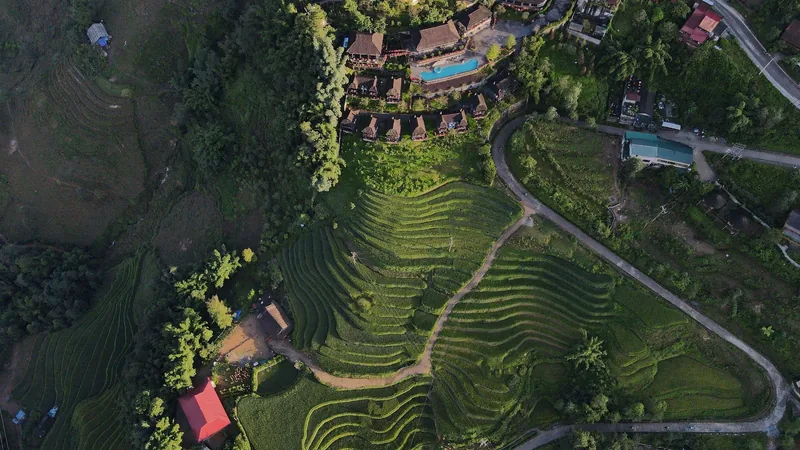
Plan · Packing
Packing list
What to carry for wet paths and cold homestay nights.
View journey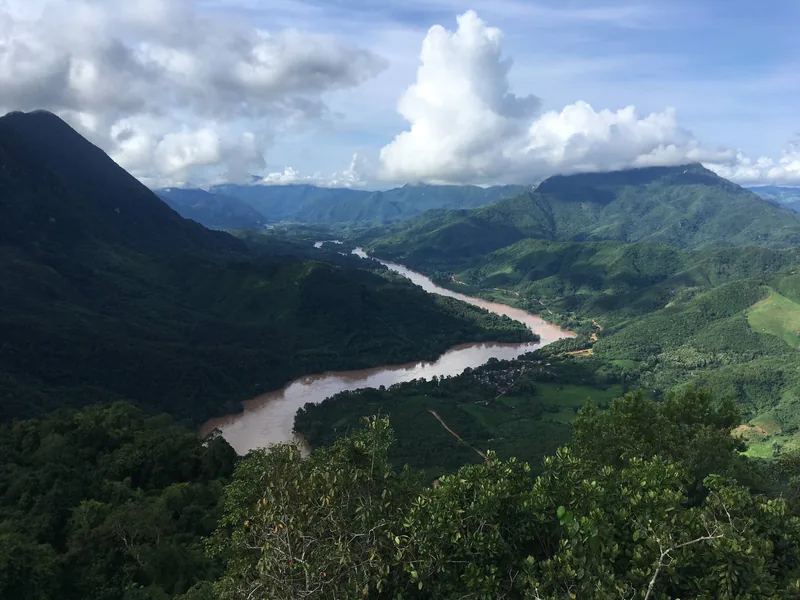
Regions
Regions
The trekking regions compared: altitude, rain, terrain, access.
View journey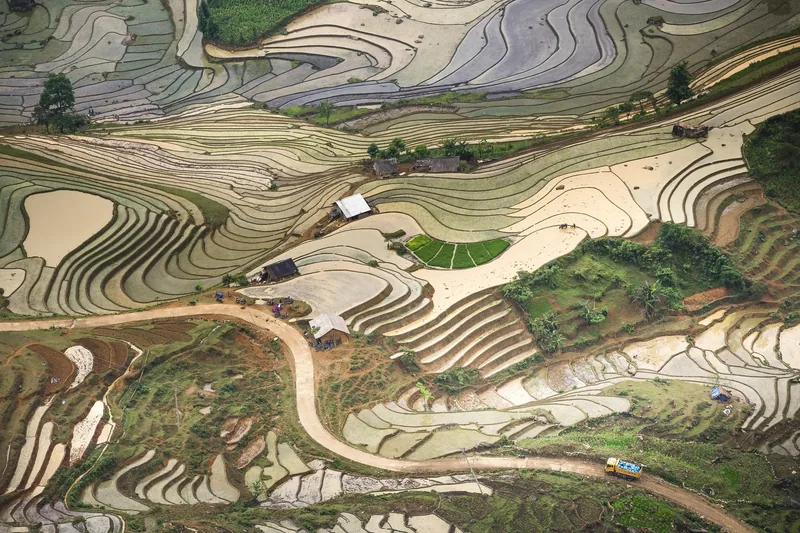
Treks · Prices
Trek prices
What goes into a trek quote, line by line.
View journey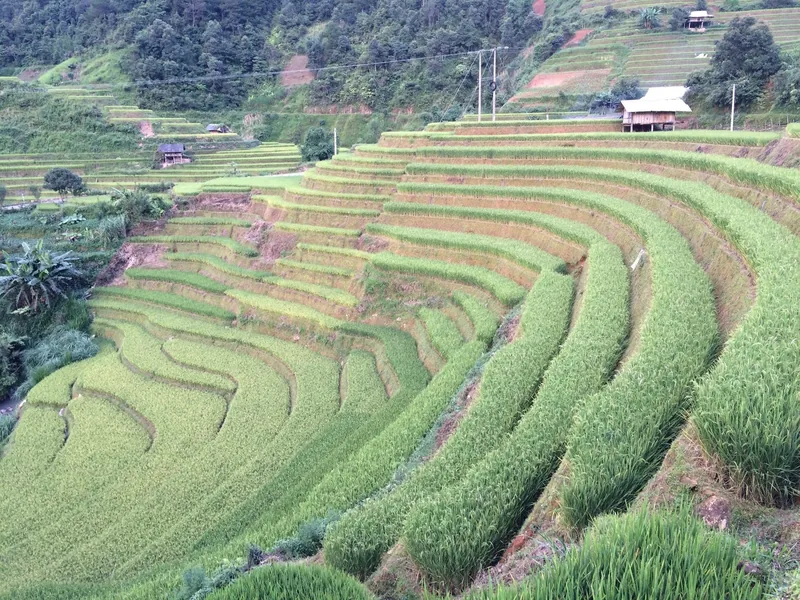
Start planning
Tell us about the trip you have in mind
Dates, party size and the places you care about are enough to start. You get a draft route and an indicative price, not a brochure.